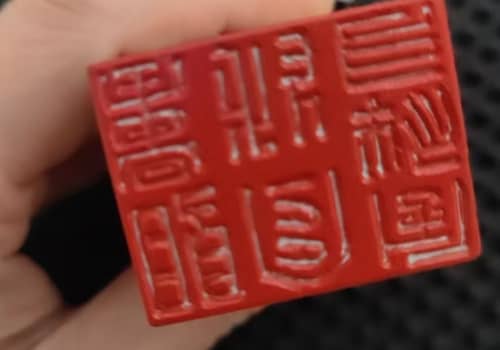
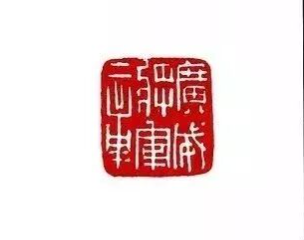
Why Do People Engrave Seals? The Enduring Charm of an Ancient Art
In an age dominated by digital technology, the ancient art of seal engraving continues to shine in the fields of calligraphy, painting, collecting, and culture. What is the timeless charm contained within this miniature art of metal and stone, allowing it to remain vibrant for thousands of years?
A Symbol of Identity and Trust
Historically, the core function of seals was to serve as proof of credibility and identity. From ancient times, whether referring to the imperial jade seal, official government seals, or the personal seals of scholars, seals have represented power, responsibility, and commitment.
On paintings and calligraphic works, a seal acts as the artist’s mark of authentication; in documents and contracts, it served as a symbol of legal validity. This characteristic of embodying abstract trust in a physical form made seals a unique credit system within Chinese culture.
The Fusion of Art and Soul
Seal engraving elevates the artistic beauty of Chinese characters to its peak. Within the confined space of a square inch, the structural elegance of Seal script (Zhuanshu), the ingenuity of compositional layout, and the rhythmic dynamism of knife techniques combine to create a subtle yet rich visual language.
The tradition of literati seal engraving raised this art to new heights. From masters like Wen Peng and He Zhen of the Ming Dynasty to modern greats such as Wu Changshuo, Qi Baishi, and Chen Julai, engravers poured their aesthetic sensibilities and reflections on life into the stone. A “leisure seal” (Xianzhang) could convey the broad-mindedness of phrases like “rivers, mountains, wind, and moon” (江山风月), or the uninhibited spirit of “merely for self-amusement” (聊以自娱). It could embody the perseverance of “ten years grinding a sword” (十年磨一剑), or the transcendence of “the method of no-method” (无法之法). These seals transcended their practical function, becoming miniature sculptures of the soul.
A Dialogue Between the Eternal and the Evolving
The hardness and durability of stone naturally endowed seals with the quality to withstand time and carry forward civilization. Simultaneously, the subtle changes acquired through use—the wear on the side inscriptions (Biankuan), the textured, aged quality of the carved surface (the “spirit of metal and stone”)—infuse them with the warmth of time.
This interplay between the “eternal” and the “evolving” mirrors life itself: we seek certain unchanging core values, while constantly reshaping ourselves through interaction with the world. When later generations hold a cherished ancient seal, they not only appreciate its artistic merit but also experience a unique, tangible connection to the minds and spirits of the ancients.
The Value of Seal Engraving in Modern Life
Today, seal engraving has developed more diverse values:
- Art Collection: Seals carved by famous masters and high-quality seal stones have become significant collectibles.
- Cultural Heritage: The practice of seal engraving is a concrete way to inherit and sustain traditional Chinese culture.
- Personal Expression: Customizing a personal seal serves as a unique marker of identity and a profound spiritual anchor.
Even in an era of ubiquitous digital signatures, the sense of ceremony in personally stamping a seal, along with the profound cultural memory it carries, remains irreplaceable by any digital technology.
Conclusion: Your Mark in an Enduring Dialogue
The art of the seal, concentrated within a square inch, encapsulates the essence of Chinese culture. It is not merely a credential of trust or a crystallization of art; it is a cultural bridge connecting the past and present. In an increasingly virtual world, a tangible seal, with its unique physical presence and cultural depth, offers us an authentic and powerful means of self-expression.
Whether for artistic appreciation, cultural connection, or personal use, possessing a hand-engraved seal is to participate in a cultural dialogue spanning millennia—leaving your own unique mark in the enduring dialogue between metal and stone.