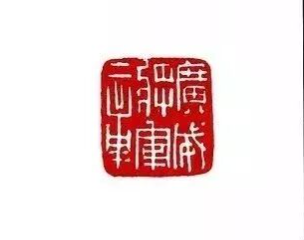
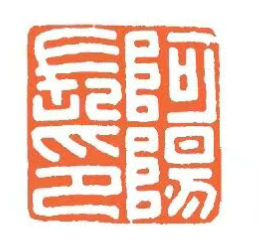
What is Seal Engraving? An In-Depth Look at the Ancient Art of Metal and Stone
When you admire a Chinese painting or piece of calligraphy, have you ever noticed those small, red stamps dotted amongst the ink and brushwork? These petite, archaic-charm-laden imprints are manifestations of the art of “Zhuanke,” or seal engraving. So, what exactly is seal engraving? It is far more than simply carving a name; it is an ancient art form that integrates calligraphy, composition, and knife technique, capable of conjuring vast artistic conceptions within a minuscule space.
I. Definition: More Than Just Carving Stamps
Simply put, seal engraving is a traditional art involving the carving of seals, primarily using stone materials (such as Shoushan stone, Qingtian stone, etc.), based on Zhuan script (seal script). It is often called the “Art of Metal and Stone” because historically, metals (like bronze and gold) and jade were commonly used.
It encompasses two core elements:
- Script Design (Zhuānfǎ): This refers to the calligraphic art of the characters in Zhuan script. Zhuan script is the foundation. The first step is arranging the structure of the characters to be aesthetically pleasing and harmonious.
- Knife Technique (Dāofǎ): This refers to the skill of using the engraving knife on the stone. Different knife techniques can create lines with varied textures – unrestrained, neat, rugged, or refined.
Therefore, seal engraving is the perfect fusion of “writing” and “carving,” a “secondary creation” by the calligrapher through the knife upon the stone.
II. The Long History of Seal Engraving
To truly understand seal engraving, one must trace its history.
- Origins: Its roots lie in the oracle bone inscriptions of the Shang Dynasty and bronze inscriptions. However, it matured as a distinct art form during the Qin and Han dynasties. Qin “seals” (xi) and Han “stamps” (yin) laid the foundation, often regarded as the highest paradigms by later generations.
- Development: During the Tang and Song dynasties, seals began to be used for authenticating and collecting paintings and calligraphy. By the Yuan and Ming dynasties, literati artists (such as Wen Peng and He Zhen) began carving seals themselves. Seal engraving evolved from a purely practical function to conscious artistic creation, giving rise to various schools.
- Modern Era: Today, seal engraving is both a treasure of traditional Chinese culture and an art form that incorporates modern aesthetics, standing as an independent discipline with high artistic and collectible value.
III. Tools and Process
A complete seal engraving process requires the following basic tools and steps:
Main Tools:
- Seal Stone: Beginners often use Qingtian stone or Shoushan stone, which are relatively soft and easy to carve.
- Engraving Knife: Specialized knives, available in different types like flat-tip and oblique-tip.
- Ink Paste: High-quality paste ensures bright, long-lasting impressions.
- Sandpaper: For polishing the seal surface.
- Brush & Transfer Paper: For designing the draft.
Basic Process:
- Design the Draft: The creative start – designing the layout (composition) of the characters on paper.
- Reverse Transfer: Copying the designed draft in reverse onto the seal surface.
- Engraving: Using techniques like the “pushing cut” or “chopping cut” to carve according to the inked draft. This is the most challenging part.
- Testing & Correction: After carving, applying ink paste and stamping on paper to check the result, making fine adjustments if needed.
- Side Inscription (Biānkuǎn): Carving the artist’s name, date, etc., on the side of the seal – essentially the work’s “signature.”
IV. Artistic Classification
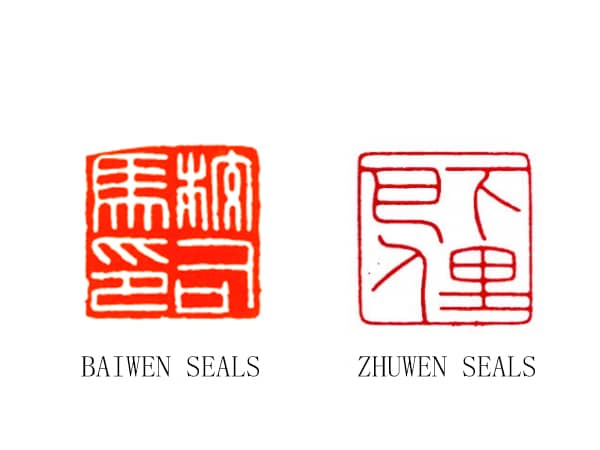
Seal works are mainly divided into two categories:
- Baiwen Seals (Yin/Intaglio Carving): The characters are carved into the surface. The impression shows white characters on a red background.
- Zhuwen Seals (Yang/Relief Carving): The characters are raised. The impression shows red characters on a white background.
V. Modern Applications and Value
Many ask: what is the use of learning seal engraving today?
- Art Collection: Works by famous engravers are valuable art pieces.
- Highlighting Art: An indispensable component of Chinese painting and calligraphy works.
- Personal Seal: Having a custom-made name seal or leisure seal reflects great personality and cultural taste.
- Self-Cultivation: The process requires high concentration and patience, making it an excellent way to calm the mind.
- Cultural Heritage: A superb way to learn and pass on ancient Chinese writing systems, especially Zhuan script.
FAQ
Q1: Is seal engraving difficult to learn?
A: Getting started is not hard. After mastering basic knife techniques and Zhuan script knowledge, you can begin creating. However, reaching a high artistic level requires long-term practice and cultural accumulation.
Q2: How should a beginner start learning?
A: It’s recommended to start by copying classic Qin and Han dynasty seals. Prepare a basic set of tools and refer to textbooks or video tutorials. Guidance from a teacher is highly beneficial.
Q3: What’s the difference between seal engraving and commercial stamp making?
A: Machine-made stamps are purely technical replication, seeking uniformity. Seal engraving is artistic creation; every cut embodies the artist’s emotion and aesthetics, pursuing the “spirit of metal and stone” and artistic individuality.
Conclusion
Seal engraving, this art cultivated on tiny stone surfaces, carries the codes of Chinese culture spanning thousands of years. It is not merely a display of skill but also a cultivation of the mind. When you hold the engraving knife and make your first mark on the stone, you begin a “covenant in metal and stone,” a dialogue with the ancients.
We hope this article helps you fully understand “what is seal engraving.” If you have developed an interest in this art, why not try it yourself? Experience firsthand the boundless charm contained within an inch of space.