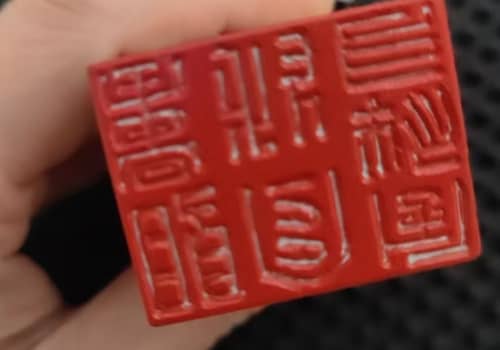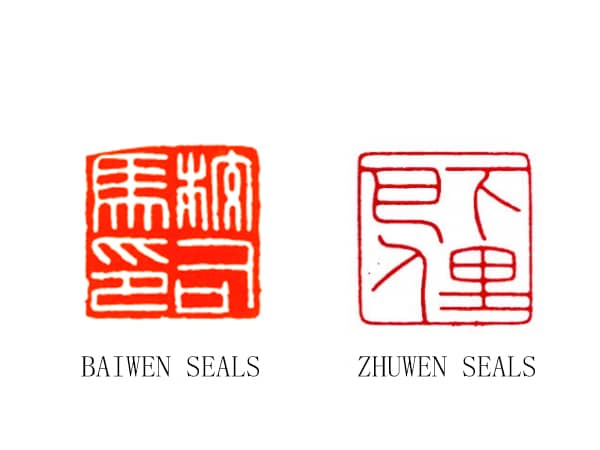
What Does It Mean to Take Qin and Han Seals as the Model?
“Taking Qin and Han Seals as the Model” means that in the process of learning seal carving, we should copy and study as many seals from the Qin and Han dynasties as possible . For complete beginners, this principle can also be understood as focusing primarily on copying different types of Han seals.
The origin of the idea of taking Qin and Han seals as the model can be traced back to Zhao Mengfu, who was the first to establish the view that seal carving should “follow the Han and Wei traditions.” This reflected his broader advocacy of a return to classical models. Over time, this idea gradually developed into the concept of “taking Qin and Han as the standard.” In essence, this principle means “seeking the rules of seal carving within the seals themselves,” and it represents a fundamental guideline that cannot be bypassed in the study of seal carving.
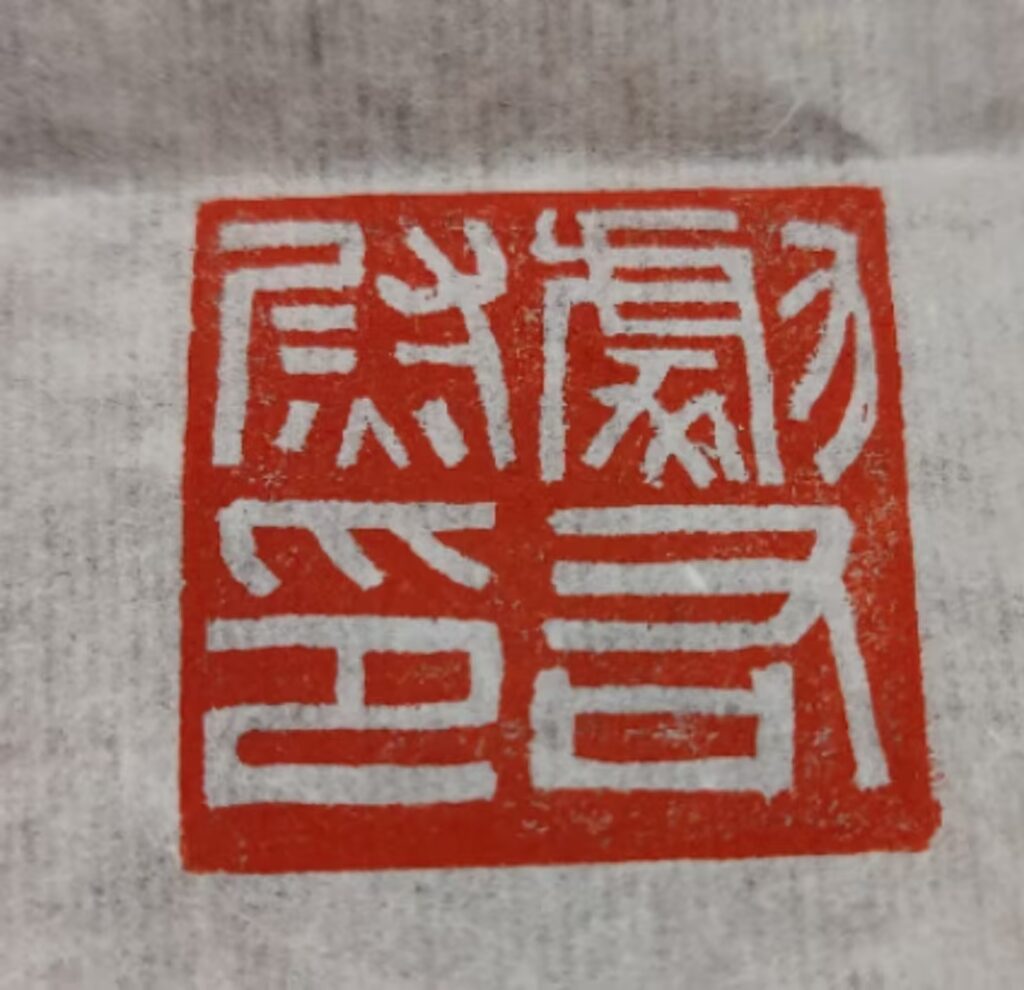
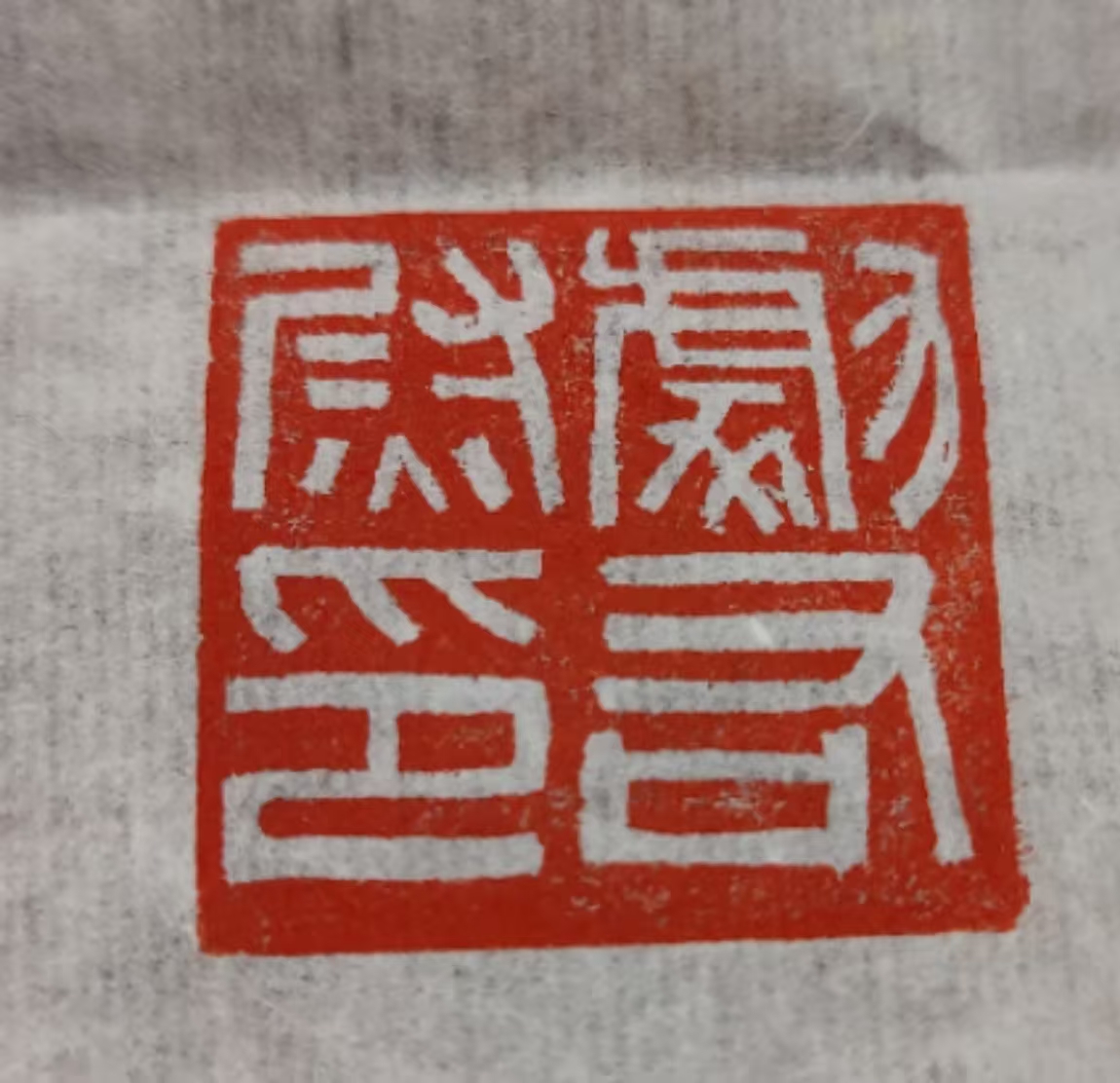
Seals from the Qin and Han periods laid the foundation of Chinese seal script, whether in the structure of the characters or in the overall compositional arrangement. In other words, they provide the most basic standards and models for learning seal carving today.
Carving technique, also known as knife technique, developed systematically during the Qin and Han periods. Qin seals established the earliest formal conventions, while Han seals refined them into a mature system. Through four core techniques—casting, chiseling, punching, and cutting—the Qin and Han seals formed a complete technical system for seal carving, including line quality, creative logic, and aesthetic principles. These techniques constitute the technical foundation of the idea of “taking Qin and Han as the model.” With the initial norms created in the Qin dynasty and the mature system developed in the Han dynasty, these four core carving methods established a complete set of rules for the art of seal carving.
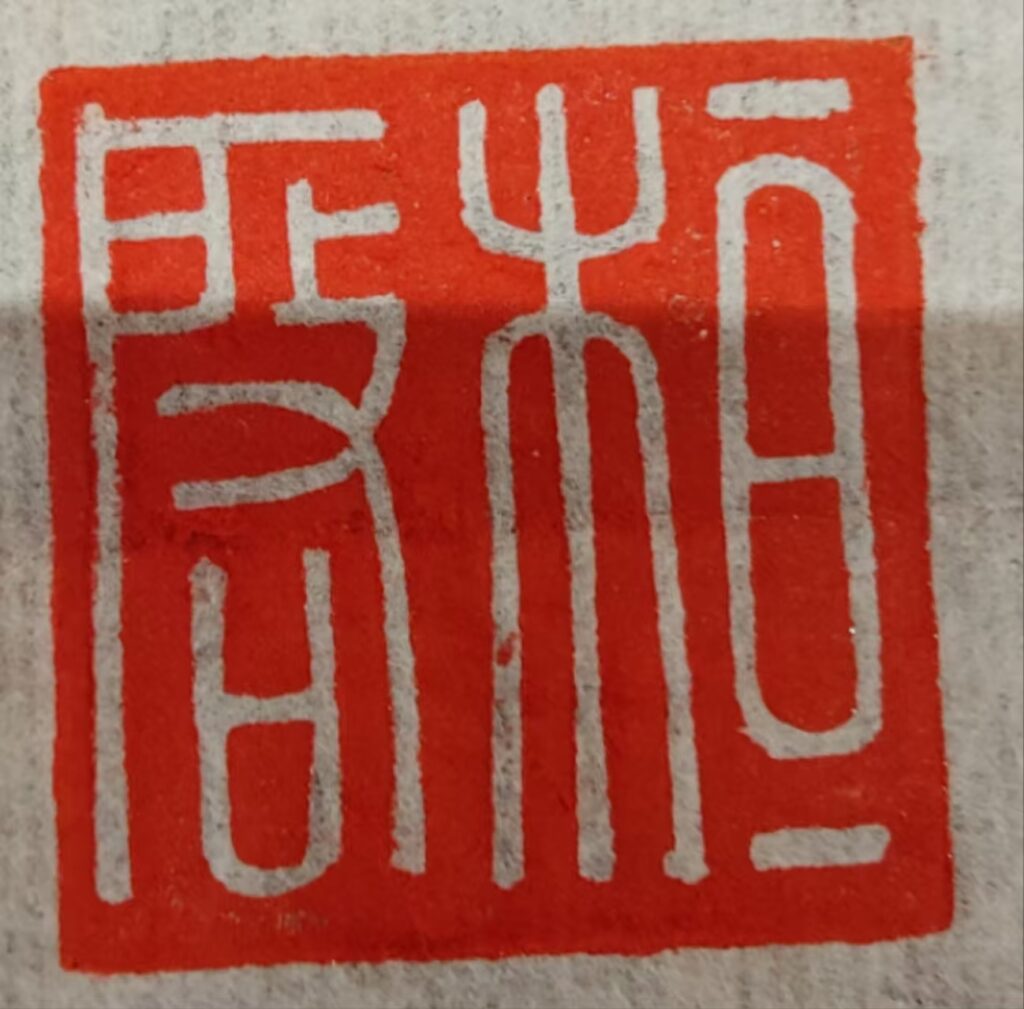
Carving techniques were not originally created by seal carvers of the Ming and Qing dynasties. Rather, they selectively inherited and applied the basic carving methods of Qin and Han seals. Later seal carvers made flexible choices based on the characteristics of the stone, the structure of the seal script, the compositional layout, and their aesthetic preferences: some primarily used the cutting knife, some mainly the punching knife, and others combined both. There are also distinctions such as long punching versus short punching, and long cutting versus short cutting.
No matter how later schools of seal carving evolved or how styles continued to innovate, they have always been rooted in the carving techniques of the Qin and Han periods. The core meaning of “taking Qin and Han as the model” lies precisely in inheriting, continuing, and further developing the essential techniques and line quality established during those two dynasties.